( Update: 25/09/2014 )
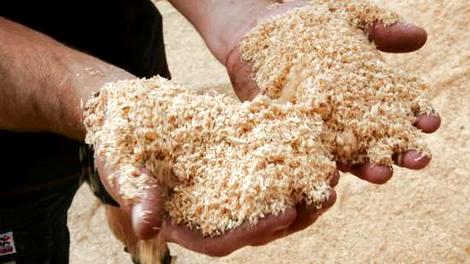 When oil prices started their upward march a few years ago, Cargill’s animal nutrition business in Honduras started to look at some alternatives. The cheapest alternative — coal — was rejected as harmful to the environment. Then the business discovered that environmental sustainability might actually be the solution. Besides finding an alternative to imported oil, the project is providing benefits for the economy and the local community.
Subsequently, the plant replaced its old diesel boilers with a gleaming red and chrome bioboiler that generates the power the plant needs by burning waste sawdust from Honduras’ lumber industry. The business is working with other Cargill operations to secure carbon credits, with a percentage of the credits earmarked for community projects.
After touring the bioboiler, Jose Vasquez, senior agricultural program officer for the World Wildlife Fund in Central America, concluded that the project has had a “very positive social, economic and environmental impact.”
Environmental pluses
It may seem odd that burning wood is any better for the environment than burning diesel fuel. But it is — in numerous ways.
First, wood doesn’t contain the sulfur and heavy metals of diesel. The exhaust it produces is virtually invisible compared to the black clouds that came from the diesel boilers.
Most scientists view carbon dioxide (CO2) as the main culprit in greenhouse gases that cause global warming. Wood actually releases less CO2 to the atmosphere. By burning 12,600 metric tons of sawdust instead of 436,000 gallons of diesel, the new boiler will reduce CO2 release by around 6,000 metric tons a year.
Secondly, diesel is a fossil fuel. It comes from carbon — the decay of plants and animals — from many millions of years ago. This carbon was trapped and inert until it was released by being turned into fuel. In contrast, wood is a renewable fuel.
Saving trees, solving what was a headache
Using waste sawdust also solves an environmental problem for the lumber industry, while creating economic activity that results in dozens of more jobs.
“Sawdust is a headache for lumber companies,” explains Carlos Camiciottoli, production operational manager of the Cargill Animal Nutrition (CAN) plant. “We are not promoting the cutting of trees; we are helping the lumber companies get rid of a waste product. Sawdust sits in piles for years. It can turn into a fire hazard, or it can rot and release methane, a greenhouse gas.”
There is a waste product in burning wood: ash. But it is not really a waste. “The ash is high in potassium, so it is a natural fertilizer,” Camiciottoli says. “We produce about 25 bags of ash a day, and we give it away free to local farmers.”
Source: http://www.cargill.com


Online: 21
Visit counter : 4557059
Copyright © 2012 by hxcoexp.com - All right reserved
Designed by OSG.VN